


Selenium is an essential trace mineral and cofactor for at least 25 selenoproteins involved in antioxidant defense, thyroid metabolism, immune function and DNA repair. Its role in cancer prevention has been studied for over four decades — with both encouraging and cautionary results.
This guide covers what we actually know about selenium and cancer, how to identify the right form (selenomethionine vs selenium yeast vs selenite), proper dosing, and the upper limits to avoid.
What Is Selenium and Why Does It Matter?
Selenium is incorporated into selenoproteins — including the famous glutathione peroxidases (GPx) and thioredoxin reductases — that protect cells from oxidative damage. Selenium status affects:
- Cellular antioxidant defense
- DNA repair
- Apoptosis of damaged cells
- Thyroid hormone metabolism
- Immune function — particularly NK and T cells
- Inflammatory regulation
Soil selenium content varies hugely globally — leading to widespread deficiency in some regions (UK, parts of China, New Zealand) and excess in others.
Evidence in Cancer Prevention
The evidence is mixed but instructive:
- Nutritional Prevention of Cancer (NPC) trial: 200 µg/day selenium yeast reduced total cancer incidence by 25% over 7 years
- SELECT trial (selenomethionine + vitamin E): no benefit for prostate cancer prevention; raised concerns about excess selenium
- Lung cancer: reduced risk in low-selenium populations; may increase risk if baseline is already adequate
- Colorectal cancer: reduced adenoma recurrence in some trials
- Thyroid cancer: selenium-deficient populations show higher rates
- Skin cancer: NPC showed reduction; further trials less consistent
Key insight: selenium benefits are highly dependent on baseline status. Deficient individuals benefit; sufficient individuals see no benefit and may increase risk.
Selenium in Cancer Treatment Support
During cancer treatment, selenium serves several supportive roles:
- Reduces radiation-induced side effects
- Protects against doxorubicin-induced cardiotoxicity
- Supports immune recovery during chemo-induced suppression
- Reduces lymphedema in breast cancer patients
- May enhance response to certain chemotherapies
Critical: selenium status should ideally be measured before supplementing in oncology — both deficiency and excess can have negative consequences.
Best Forms of Selenium
- Selenomethionine: the most studied form — well absorbed, used for tissue building
- Selenium yeast (organic Se): contains a mix of selenoamino acids — used in NPC trial; broad coverage
- Selenite (sodium selenite): inorganic — used in some integrative oncology IV protocols
- Selenium-methyl-selenocysteine: emerging — directly bioavailable for selenoprotein production
For prevention and general health, selenomethionine or selenium yeast are preferred. Selenite is sometimes used in clinical oncology for specific anti-tumor purposes.
Food Sources of Selenium
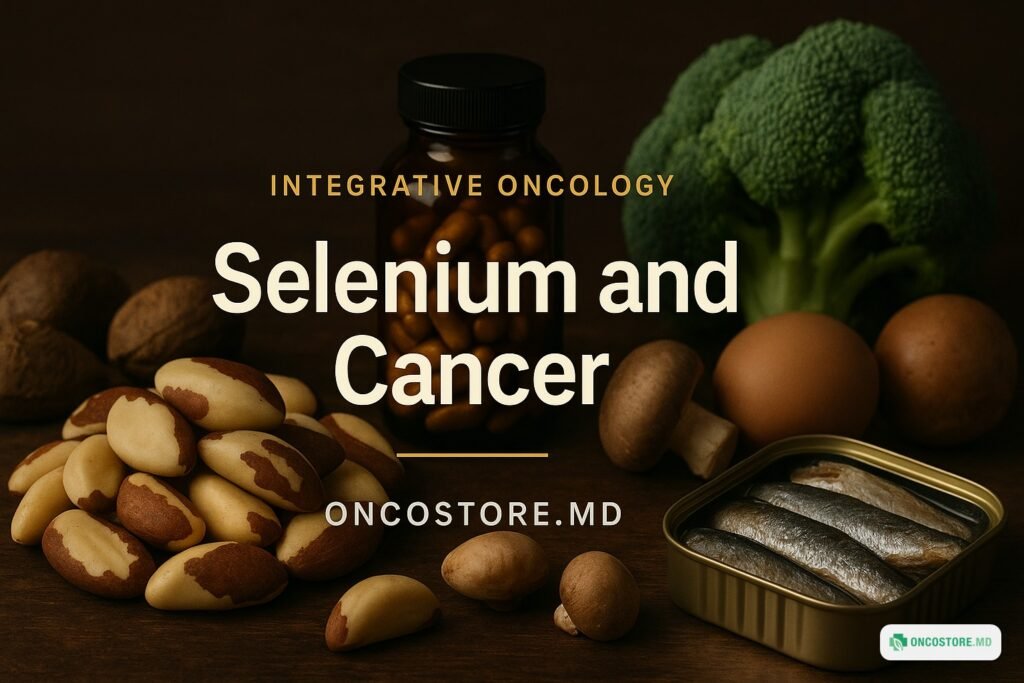
- Brazil nuts: 70–90 µg per nut (the richest natural source — and easy to over-do)
- Tuna and sardines: 60–90 µg per 100 g
- Eggs: 15–25 µg per egg
- Sunflower seeds: 70 µg per 30 g
- Mushrooms (shiitake, crimini): 5–20 µg per 100 g
- Whole grains: varies by soil; 15–35 µg per serving
One Brazil nut a day reaches the RDA for most people. More than 2–3 daily can lead to excess.
Dosage Guidelines
- RDA (adults): 55 µg/day
- Optimal range: 100–200 µg/day for most adults
- Cancer prevention research dose: 200 µg/day selenium yeast (NPC trial)
- Upper safe limit: 400 µg/day chronic — above this, toxicity risk rises
- Toxicity threshold: ≥800 µg/day chronic (selenosis)
Aim for blood selenium of 120–150 ng/mL — both deficiency (<100) and excess (>160) carry risks.
Safety and Selenosis
Selenium has a narrow therapeutic window. Signs of selenosis (selenium toxicity) include:
- Garlic odor on breath
- Hair loss and brittle nails
- GI upset
- Peripheral neuropathy
- Skin lesions
- Mood changes
Other considerations:
- Increased diabetes risk at high doses (SELECT trial signal)
- May affect thyroid function — both deficiency and excess
- Drug interactions: warfarin, statins, certain immunosuppressants
Frequently Asked Questions
Should I get a selenium blood test before supplementing?
Ideally yes, especially if you take above 100 µg/day or if you have cancer. Selenium status varies widely and excess carries real risks.
Is one Brazil nut a day enough?
For most people, yes — one Brazil nut provides ~70–90 µg, which meets the RDA. Two nuts daily approaches the upper limit when combined with other dietary sources.
Can I take selenium during chemotherapy?
Selenium often supports patients during chemo and radiation, particularly in deficient individuals. Test status first and coordinate dose with your oncologist.
What’s the best selenium form to take?
Selenomethionine and selenium yeast are best for general prevention. Selenite is sometimes used in IV oncology protocols. Avoid generic ‘selenium’ supplements without specified form.
Can selenium prevent cancer?
It can reduce risk in deficient populations. In sufficient populations, additional selenium offers no benefit and may carry small risks. Personalize based on testing.
Disclaimer: This article is for educational purposes only. Always consult a qualified healthcare professional before starting any prescription medication or supplement.
What Our Customers Are Saying
Real stories from people just like you. Don’t take our word — read theirs.
“Selenium yeast 200 µg daily as part of my recurrence-prevention strategy. PSA stable for four years. Discussed with my urologist — he supported testing first.”
“Skipped the supplement, eat one Brazil nut a day. Tested in optimal range. Simple and inexpensive.”
“I always test selenium before supplementing in oncology patients. Personalized dosing — not blanket recommendations — gives the best outcomes.”
“Selenomethionine throughout chemo helped my white cells recover faster. Oncology team supported it after testing showed I was low.”
“Hashimoto’s diagnosis. Selenium 100 µg + iodine balance. TPO antibodies dropped 40% in six months.”